
Globally good ideas
Stroget
Location: Copenhagen, Denmark
Year Implemented: 1962 (ongoing enhancements since)
Lead Agency: City of Copenhagen
Overview
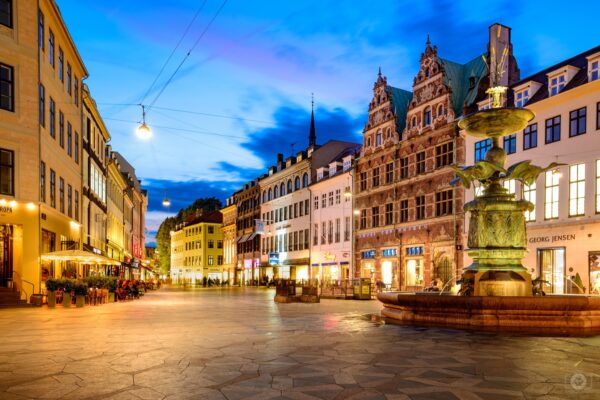
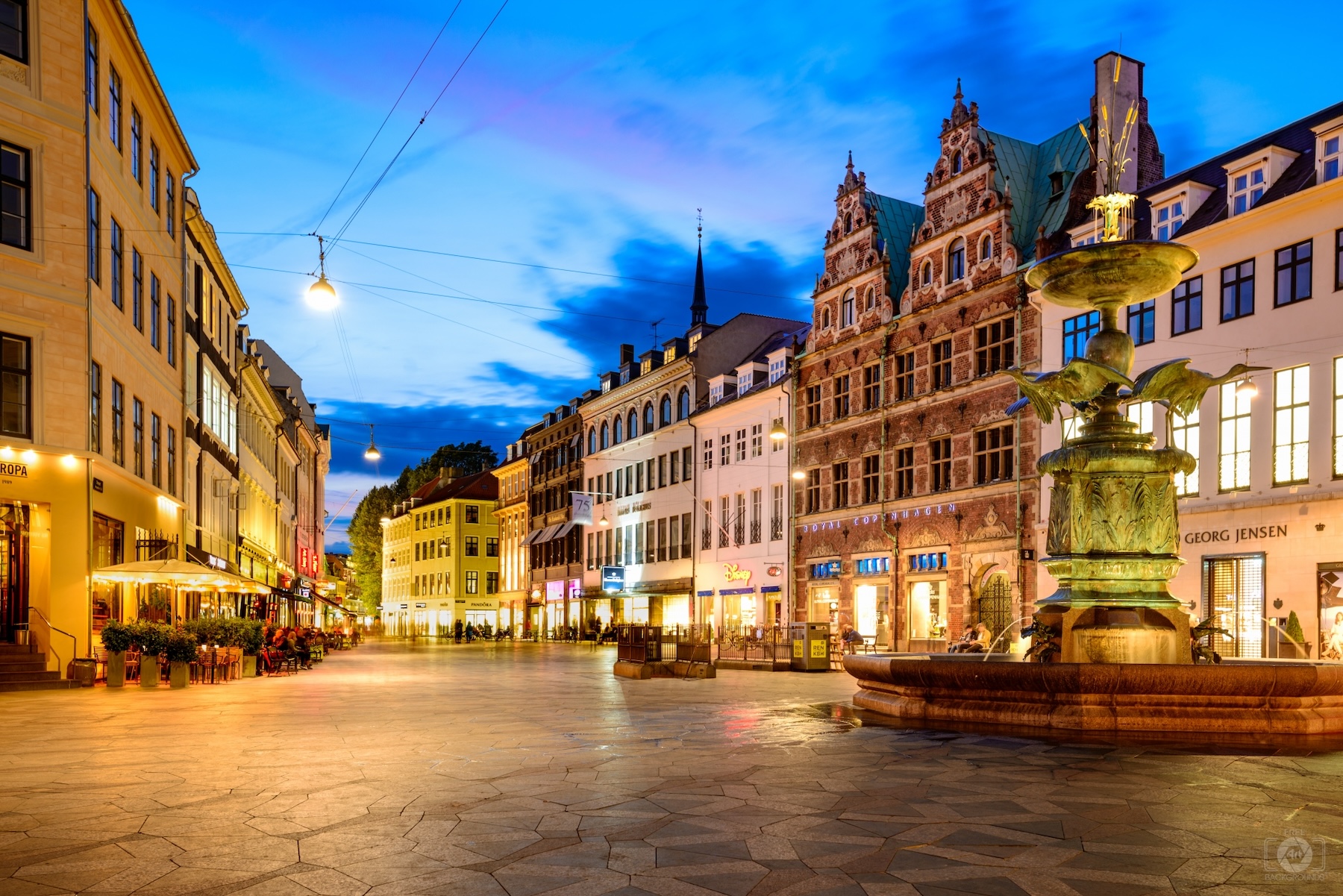
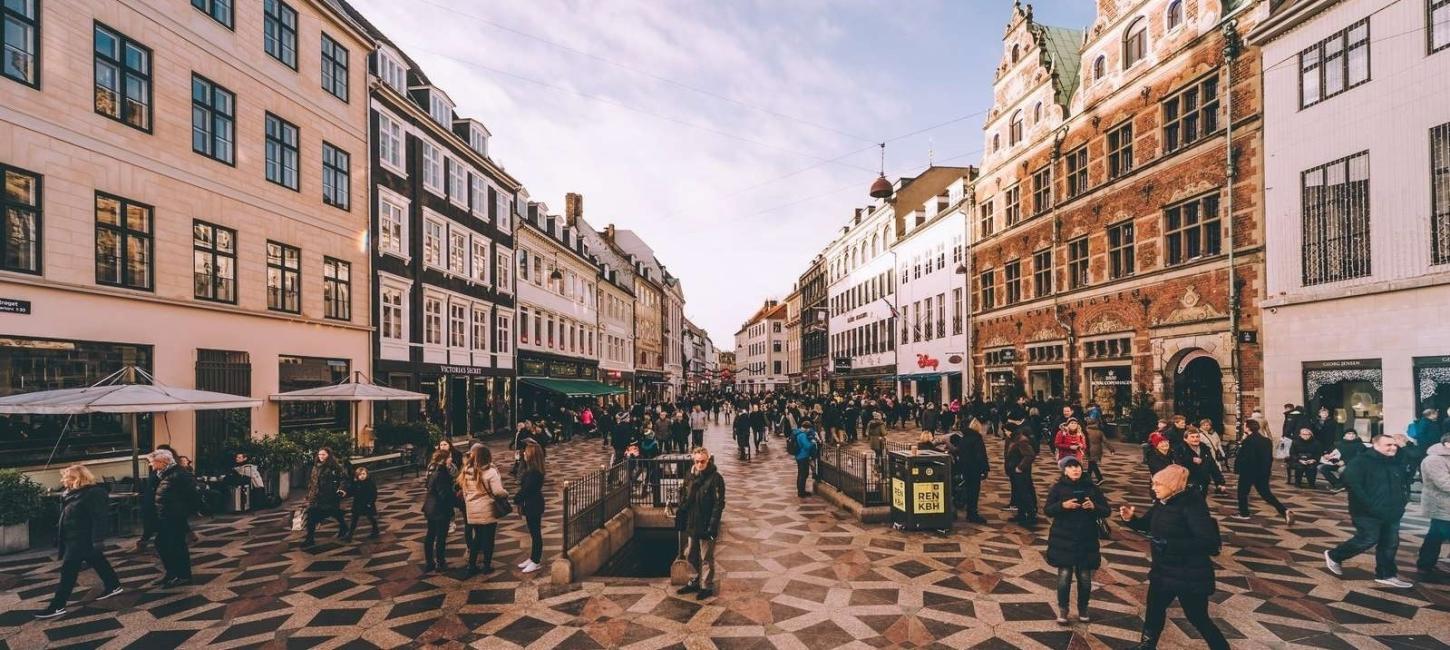
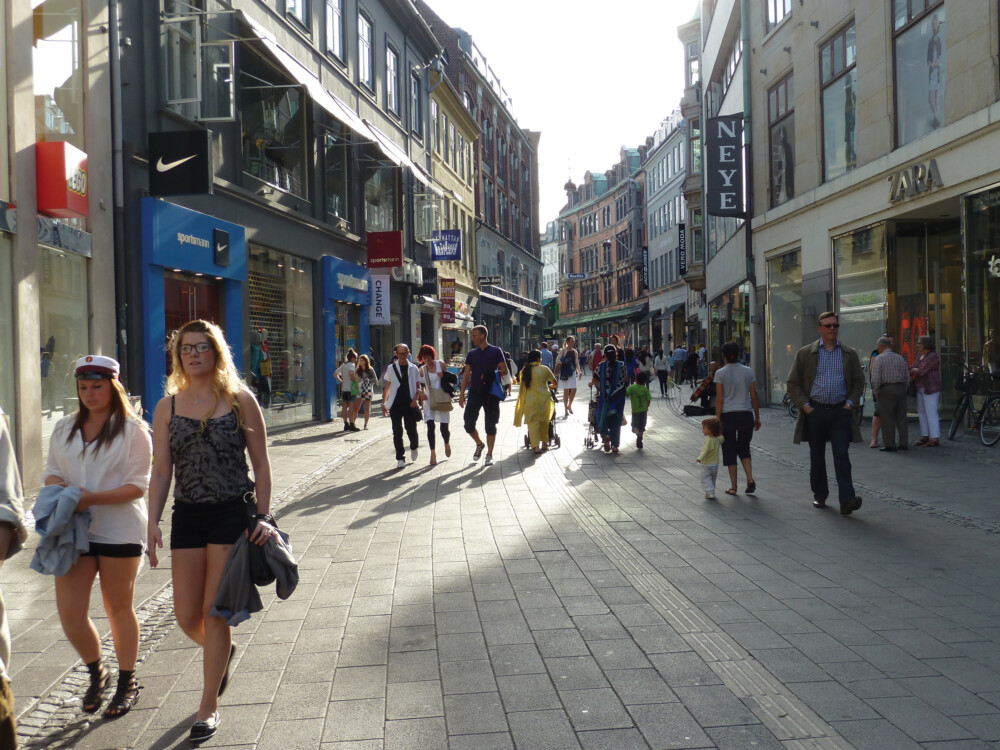
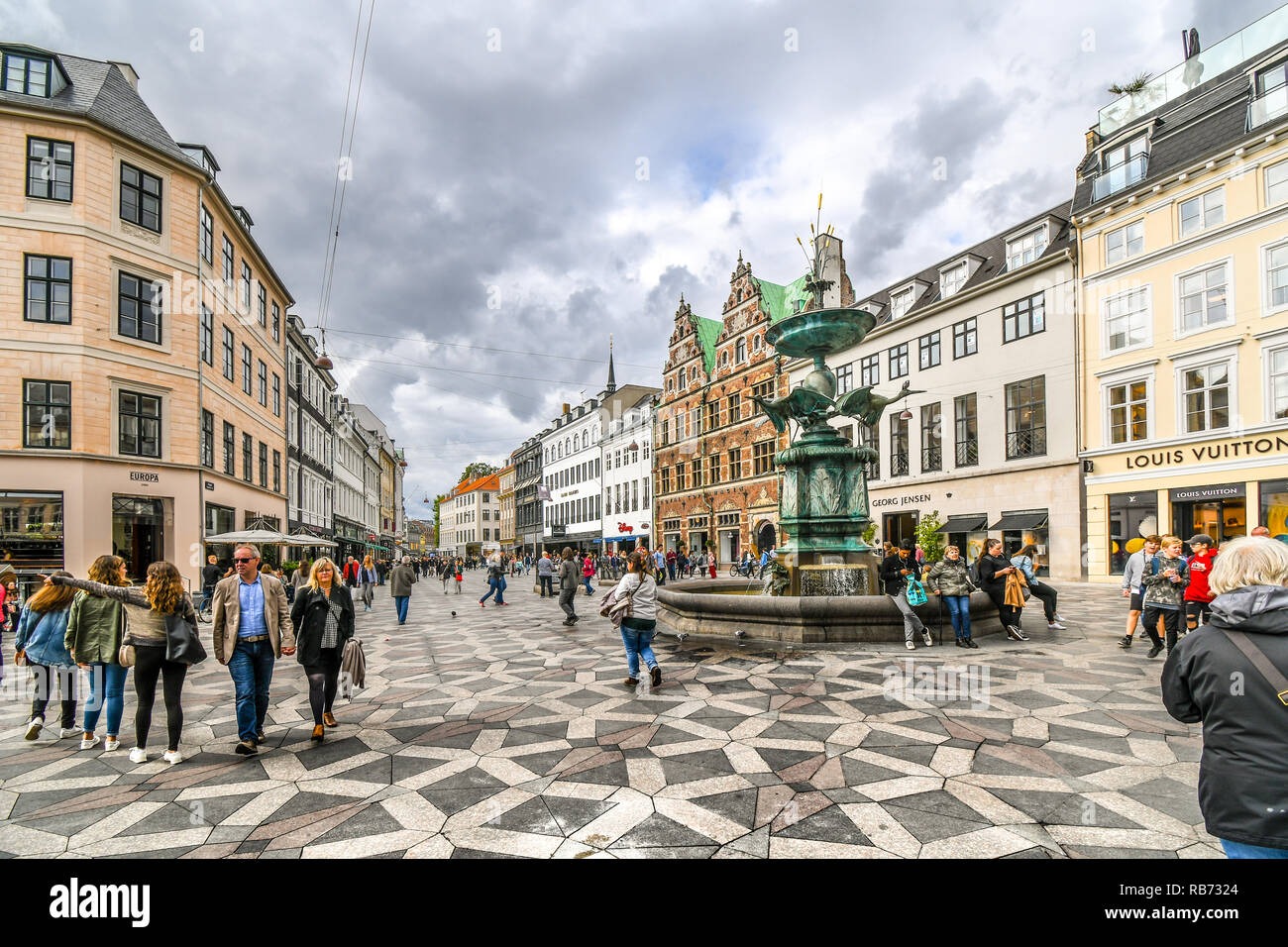
Strøget is one of the world’s first major pedestrian streets, stretching over 1.1 km through the heart of Copenhagen. In 1962, amid strong opposition, the city closed the street to car traffic to test the impact of full pedestrianisation. What began as a temporary experiment is now a permanent and globally celebrated model for people-first urban design.
What Changed?
- Previous Conditions: Major central thoroughfare dominated by cars, narrow sidewalks, and congested intersections
- New Design: Fully car-free pedestrian corridor from City Hall Square to Kongens Nytorv
- Street Features Added:
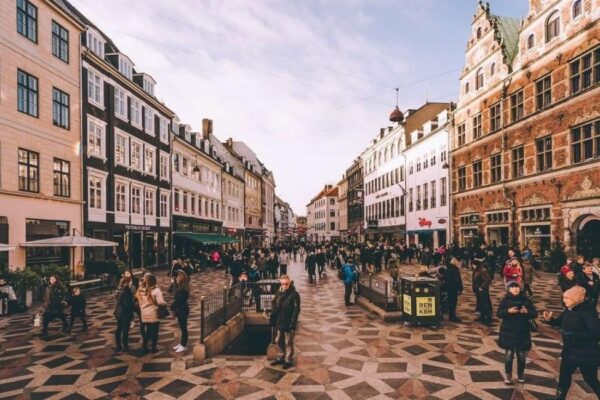
- Paving suitable for foot traffic and public events
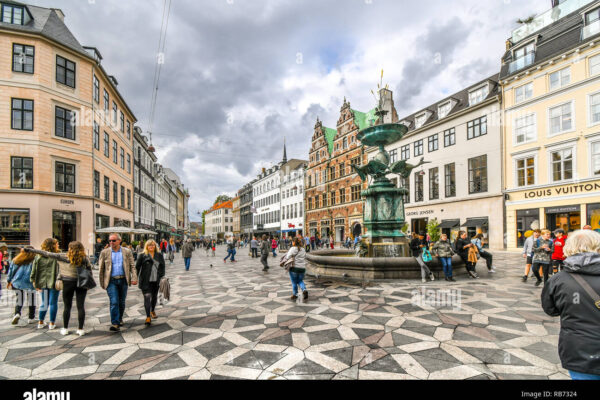
- Seating, fountains, and space for performance/art
- Integration with historic buildings and urban squares
- Year-round use with design for Copenhagen’s climate
Community Involvement
The project was led by visionary mayor Jens Otto Krag and architect Jan Gehl, who engaged with merchants, residents, and the public through direct consultation and pilot testing. Public support grew rapidly after people saw how the street changed during the trial.
“If you make more space for cars, you get more cars. If you make more space for people, you get more people.” – Jan Gehl
Outcomes
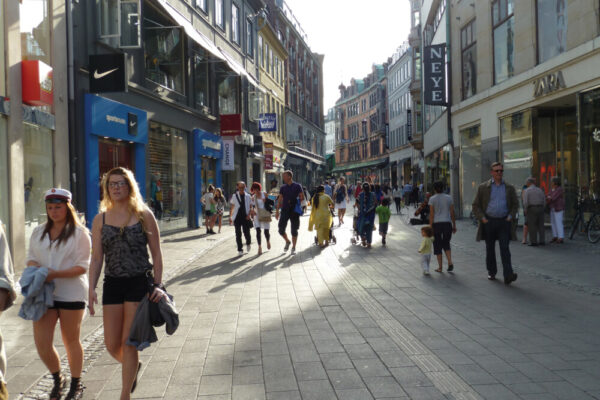
- Pedestrian Activity: Increased dramatically — tens of thousands walk it daily
- Business Performance: Revenue of shops and cafés improved over time
- Tourism: Became one of the city’s top attractions
- Precedent: Inspired pedestrian zones worldwide
Benefits
- Created a safe, vibrant public realm in a historic setting
- Improved air quality and reduced car dependence
- Fostered public life, events, and civic culture
- Demonstrated the long-term value of pedestrian-first design
Photos
💡 Inspired by this transformation? Drop a pin on our map to show where a similar change could happen in the Newtown area.
Need more information?
Local Project Enthusiast